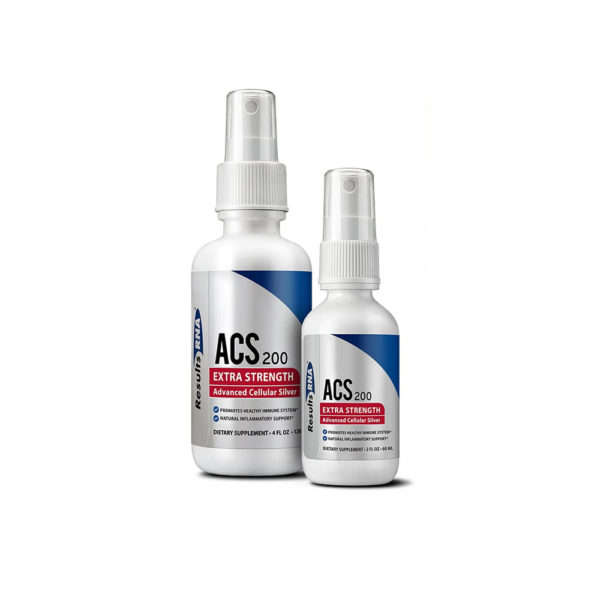
How to Outsmart Your Boss on acs 200 silver extra strength
How Outcome RNA ACS Can Help With Detoxification of Metalloids
Utilizing a RNA-Seq technique to research the microbial response to cyanide-containing wastewaters, we found 20 putative sRNAs which were differentially expressed during the existence of liquid cyanide. These sRNAs ended up predicted to sort extremely structured molecules with a number of hairpin loops. Of those twenty putative sRNAs, 15 ended up identified when handled in synthetic media with sodium cyanide. Five of such sRNAs may possibly play a regulatory role while in the detoxification of metalloids.
Final result RNA ACS pauses polymerase
Germs pause their Final result RNA ACS 200 polymerase at distinct positions all through transcription. Along with facilitating termination, pausing also aids sort RNA structures. Researchers have described two kinds of pausing: backtracked and elemental. Compared with backtrack pausing, hairpin-stabilized pausing hasn't been explained still. In both of those types, the pause encourages termination by inhibiting NusA binding to DNA.
This type of Outcome RNA ACS two hundred further strength pausing makes it possible for scientists to identify genes which can be transcriptionally engaged and actively processing RNA. The technique is delicate and has small track record, making it ideal for many organisms. It needs the preparation of nuclei and polymerase operate-on. Its sensitivity can make it ideal for deciding gene expression concentrations in many organisms. This method may very well be beneficial in detoxification analysis.
International nuclear run-on assays verified the presence of paused Pol II molecules in 2008. The sarkosyl drug blocks pause-inducing factors, which makes it possible for RNA synthesis to commence. Nonetheless, the pause-inducing aspects cannot be induced in GRO-seq, and thus a peak of sign near promoters is a transparent indicator that Pol II is paused.
The unbiased RNAP2 pausing data from these reports have revealed which the paused RNAP2 is enriched for genes involved with mobile cycle, detoxification, and DNA restore. These facts recommend that RNAP2 pausing plays a vital position in regulating gene expression and chromatin structure in mammals. Even more, these experiments have unveiled the paused RNAP2 is result needed for detoxification, whilst its absence inhibits mRNA synthesis.
Final result RNA ACS 200 additional toughness suppresses NusA from binding to enzyme
It is understood the nucleosome's a-CTD inhibits the exercise of NusA, which is needed to bind to Outcome RNA ACS two hundred. The a-CTD is situated close to the 3' close with the nascent transcript and interacts While using the nut-web-site RNA. As a result, NusA stops the nascent RNA from examining with the nascent transcript. This interaction concerning NusA and RNA polymerase is important to control transcription.
The carboxy-terminal area of NusA is required extra for NusA's perform in termination. This location also serves as being a binding internet site for RNA. Some extent mutation while in the carboxy-terminal area boosts antitermination through NusA. On the other hand, the deletion with the a-CTD helps prevent NusA from stimulating termination in vitro. Therefore, the carboxy-terminal inhibitory area of NusA could be important for the antitermination of RNA.
A mix of nusA, rho, and nusG mutations was synthetically lethal. Even so, lethality was suppressed when nucleoid protein H-NS was expressed within the cells. For that reason, NusA is needed for element-dependent transcription termination which is crucial in creating a spectrum of termination efficiencies, starting from polarity to lethality.
Consequence RNA two hundred ACS Silver Gel regulates cyanide-made up of wastewaters detoxification
Using a pressure of P. pseudoalcaligenes CECT5344, scientists had been capable to discover 5 sRNAs specifically regulated by sodium cyanide. Five of these sRNAs ended up exclusively controlled by the cyanothrophic strain, whilst two Other individuals had been located in pseudomonads. These results suggest that sRNAs regulate cyanide metabolism within the post-transcriptional degree.
Final result RNA ACS, or Outcome RNA processing, is involved in cyanide detoxification in P. pseudoalcaligenes CECT5344. These bacteria use free of charge cyanide as the only real nitrogen resource, a attribute that allows them to tolerate higher metallic concentrations in jewellery wastewaters. To research this question, scientists made use of transcriptomics, proteomics, and modest RNA analysis to detect genes involved in cyanide resistance. These sRNAs have been subsequently amplified by RT-PCR.
sRNA312 induces the expression of non-clustered targets of sRNAs. These targets include things like a putative membrane element, a member of the AhpC/Tsa family members, along with the ATP-binding protein MetN. The large-severity target of sRNA655 was located in cyanide-containing wastewaters. Even so, It is far from distinct whether or not methionine influences cyanide detoxification in CECT5344.
sRNA649 targets numerous genes. It's got the highest range of targets and regulates the expression of cyanide-associated genes. It's got probably the most targets, nit1C, which codes for nitrilase NitC. Furthermore, it targets mcl-PHA polymerase, which happens to be involved in metabolism of medium-size polyhydroxyalkanes. What's more, it regulates the expression of formate dehydrogenase.